
Maritime and river pollution: a major health and environmental challenge
Faced with climate and environmental challenges, electric propulsion is an immediate and efficient solution to decarbonize maritime and fluvial sectors. Between strict regulations and ecological emergency,The electrification of boats is no longer an option: it is a necessity.
Maritime transport: alarming figures
The maritime sector contributes significantly to global greenhouse gas emissions. According to the International Maritime Organization, ships emitted 932 million tons of CO₂ in 2015, representing around 2.6% of global emissions. Without concrete measures, this figure could increase by 50 to 250% by 2050.
In addition to CO₂, ships emit particularly harmful air pollutants:
- Sulfur (SOx) and nitrogen oxides (NOx)
- Fine and ultra-fine particles
- Volatile organic compounds
- Heavy metals
These emissions have dramatic consequences on public health. In Europe, air pollution linked to maritime transport is responsible for 50,000 to 60,000 premature deaths each year, mainly in port cities. In Marseille, measurements reveal concentrations of ultra-fine particles up to 70 times higher on board ships compared to urban air.
Inland waterway transport: an underestimated impact
Although the river transport generates three to five times less CO₂ than road transport for the same load; it is not exempt from environmental impacts. River boats, often equipped with old engines, emit air pollutants and cause:
- Accidental pollution by hydrocarbon leaks
- The dissemination of biocidal products contained in antifouling paints
- Disturbances in aquatic biodiversity
With 8,500 km of waterways in France,Intensification of river traffic in recent years, it is essential to adopt clean and sustainable solutions.
Regulations that accelerate the transition
At the international and European level
The International Maritime Organization has set ambitious goals: to reduce CO₂ emissions by 40% by 2030 and to achieve carbon neutrality by 2050. The European Union reinforces these requirements with the FuelEU Maritime Regulation, requiring ships of more than 5,000 tonnes to gradually reduce their emissions: 2% in 2025, up to 80% by 2050.
Since January 2024, maritime transport has also been integrated into the European emissions quota system, encouraging shipowners to adopt less polluting fuels.
Protected areas that open up to electricity
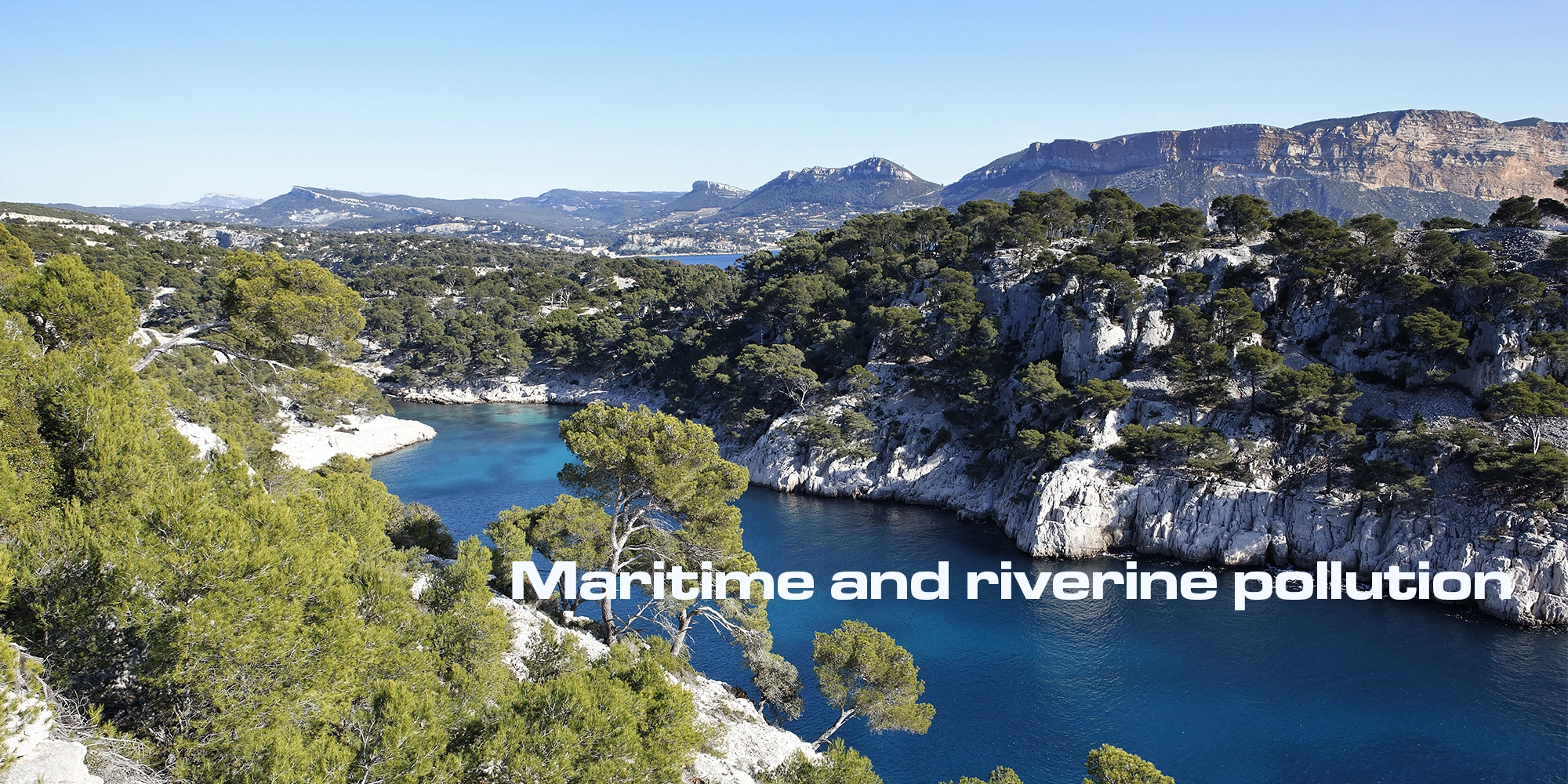
Many sensitive natural areas now prohibit or restrict access to thermal engines. The Calanques of Marseille, the Gulf of Morbihan or the mountain lakes impose strict regulations to preserve their fragile ecosystems. Electric propulsion is thus becoming the key to accessing these exceptional territories.
Electric boating: immediate and measurable benefits
Zero local emissions and absolute silence
Les electric motors do not produce any direct emissions of CO₂, fine particles or hydrocarbons. This total absence of air pollution protects the air quality in port areas and preserves aquatic ecosystems by eliminating the risk of oil or fuel spills.
Silent operation is another major advantage. Without noise pollution, electric propulsion allows marine wildlife to be approached without disturbing them, opens up new perspectives for naturalistic observation and considerably improves comfort on board.
Technical performance and reliability
Contrary to popular belief, electric motors offer remarkable performances:
- Instant couple and immediate power at startup
- Energy efficiency from 90 to 97%, against 20 to 30% for thermal engines
- Around 100 times fewer moving parts, drastically reducing wear
- Minimum maintenance: first maintenance after 20,000 hours of navigation
- Lifespan three times longer than internal combustion engines
Medium-term economic profitability
- One up to 80% less expensive energy consumption That the fuel
- Significantly reduced maintenance costs
- The absence of draining, filters to change or complex mechanical parts
- Long-lasting batteries with over 6000 charge cycles
Weenav: French pioneer in high-power electric propulsion
100% French expertise
In a maritime environment
Les Weenav electric drives meets the requirements of professionals in maritime transport :
- Shuttles and water taxis in port areas
- Passenger transport to the islands
- Inshore fishing boats
- Port service and assistance boats
- Luxury yachts and boats
The Silence and the absence of emissions also make it possible to develop new tourist activities that respect the environment: whale watching, discovering protected natural sites, eco-responsible cruises.
In river navigation
On canals, rivers and lakes, electric motors open up remarkable perspectives:
- Boating and river cruises
- Electrified freight barges
- Urban shuttles on waterways
- Housing boats and floating habitats
- Recreational activities on regulated bodies of water
The reduction of bank erosion, made possible by smooth operation and precise power management, is an additional environmental benefit for waterway managers.
The future of navigation is being built today
The transition to electric propulsion is no longer a question of technology but of will. The motors are efficient, the batteries are proven, and the charging infrastructures are rapidly being deployed. Faced with the climate emergency and tightening regulations, electrification is emerging as the immediate and concrete response to maritime and river pollution.
Weenav embodies this revolution by offering French solutions that are reliable and adapted to all uses. From KRONOS outboard motor At ARION inboard system, including the retrofit of existing boats, the electric navigation becomes accessible to professionals and boaters alike.
Sailing cleanly, silently and efficiently is no longer a utopia: it is a mature technological reality, ready to sustainably transform the maritime and river sectors. By choosing electric power, shipowners and boaters are not only doing something for the environment: they are investing in an economically viable, technically superior solution that is legally compliant with the challenges of tomorrow.
Posted on 05/02/2026
Editor: Sophie Castelain

